General Leadership
1. Leadership principles
For me, leadership is less about titles and more about how you show up when things are unclear or uncomfortable. The principles below are a work in progress, but they have held up across technical and customer-facing roles. I think about leadership as a few simple pillars that are easy to remember but hard to live every day.
- Ownership. Act as if the problem and the outcome are yours, even when they cross teams or org charts.
- Clarity. In complex environments, one of the most valuable things a leader can do is create a simple shared picture of reality.
- Empathy and respect. Assume positive intent, listen carefully and make it safe for people to surface risks and bad news early.
- Consistency. People trust what you do more than what you say. Showing up the same way in good and bad weeks creates stability.
- Growth. Great leaders are still students. They model curiosity, are willing to change their mind and make it clear that learning is part of the job.
Leadership frameworks I reference
A few well-known frameworks help give language to these ideas. I don't treat them as rigid checklists, but as lenses I can swap in depending on the situation.
- Situational Leadership. Adjust your style (directing, coaching, supporting, delegating) based on a person's skill and willingness for a specific task. Helpful when leading mixed-experience teams. Overview
- Servant Leadership. Put the needs of the team first, remove obstacles and focus on helping others grow. This is especially powerful in technical and knowledge-work teams. Greenleaf Center
- Transformational Leadership. Create a clear, inspiring vision, raise expectations and connect day-to-day work to something meaningful so people bring their full energy. HBR perspective
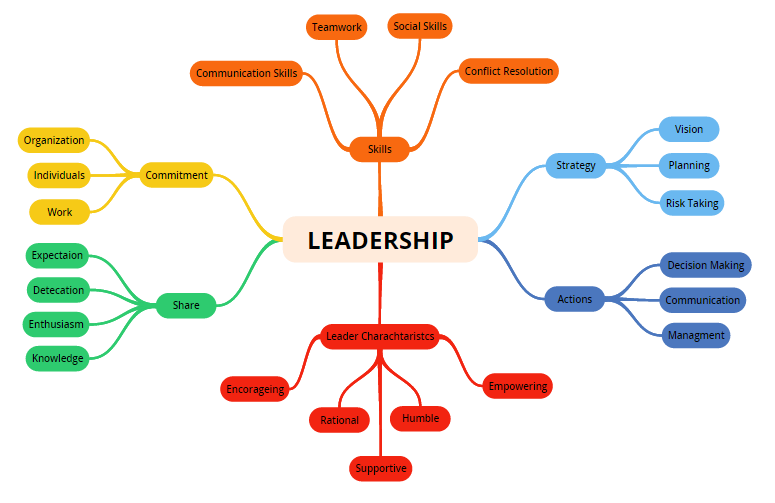
2. Team building
I enjoy working with teams that combine deep technical skill with a bias for learning. Good cultures are built deliberately through habits and small signals, not posters. When I think about observable behavior.
Team-building frameworks I find useful
- Tuckman's stages of group development. Teams often move through forming, storming, norming, performing (and sometimes adjourning). Knowing this makes early conflict feel more like a stage than a failure. MindTools summary
- Five Dysfunctions of a Team. Patrick Lencioni's model highlights how absence of trust, fear of conflict, lack of commitment, avoidance of accountability and inattention to results can quietly erode performance. Table Group resources
- Clear expectations. People do their best work when they know what "good" looks like for their role and level.
-
Feedback as a loop. Regular, specific
feedback—both positive and constructive—is how we
grow. I prefer direct but kind conversations anchored in
3. Leadership overview
Leadership is one of the most studied subjects in management, psychology, and organizational science. In business, leadership determines how vision is set, people are motivated, and organizations adapt to change.
Effective leadership is not merely about authority or position; it is about influence, direction, and enabling others to achieve shared goals. Leadership research spans decades and integrates ideas from psychology, sociology, economics, and organizational behavior.
4. What leadership means in business
Leadership can be broadly defined as the ability to influence, motivate, and guide people toward achieving common goals. Leadership scholars emphasize several core responsibilities:
- Creating a vision
- Aligning people with that vision
- Motivating and enabling teams
- Navigating change and uncertainty
Modern leadership research highlights that leadership involves a mix of traits, behaviors, and situational factors, not simply authority or hierarchy.
A leader therefore operates at multiple levels:
- Strategic direction
- Organizational culture
- Team development
- Individual motivation
Questions to ask
Leaders should regularly reflect on these questions:
- What is the clear vision my team is working toward?
- Do people understand why our work matters?
- Are decisions in my organization aligned with long-term goals?
- Am I empowering people or controlling them?
- What would my team say about my leadership if I were not in the room?
5. Evolution of leadership thought
Leadership theories evolved across several decades. Understanding this evolution helps clarify why modern leadership integrates multiple frameworks.
Trait theory (early 20th century)
Early researchers believed leaders were born, not made.
Key leadership traits included:
- Intelligence
- Confidence
- Determination
- Integrity
- Sociability
However, trait theory alone could not explain why some individuals succeeded in one context but failed in another.
Questions to ask
- Which of my personal traits help my leadership the most?
- Which traits limit my effectiveness?
- Do I continuously work on improving my leadership skills?
Behavioral leadership theory
Researchers later shifted focus to what leaders do rather than who they are.
Two major behavioral categories:
Task-oriented leadership
- Focus on structure
- Planning
- Execution
People-oriented leadership
- Focus on relationships
- Trust
- Motivation
This perspective led to leadership training programs across organizations.
Questions to ask
- Do I focus too heavily on tasks or people?
- Do my team members feel supported and heard?
- Are expectations and responsibilities clearly defined?
Situational leadership
Situational leadership suggests that there is no single best leadership style.
Leaders must adapt based on:
- Team experience
- Task complexity
- Organizational environment
Example framework (Hersey-Blanchard):
Situation Leadership style Low competence Directing Moderate competence Coaching High competence Supporting Experts Delegating Questions to ask
- Does my leadership style adapt to the situation?
- Do I delegate enough to experienced team members?
- Do new team members receive sufficient guidance?
Contingency theory
Contingency theory argues leadership effectiveness depends on alignment between:
- Leadership style
- Organizational context
- Team dynamics
For example, directive leadership works better in crisis situations, while participative leadership works better in creative environments.
Questions to ask
- Is my leadership style appropriate for current conditions?
- Does my team operate in a stable or rapidly changing environment?
- Should decisions be centralized or distributed right now?
6. Major leadership styles in business
Several leadership styles dominate modern organizational practice.
Transformational leadership
Transformational leaders inspire employees to exceed expectations and pursue a shared vision.
Core elements:
- Inspirational vision
- Intellectual stimulation
- Individual consideration
- Role modeling
Example
Steve Jobs transformed Apple by pushing teams to build products that changed industries.
Impact:
- iPhone
- iPad
- App ecosystem
Transformational leaders focus on innovation and long-term change.
Questions to ask
- Does my leadership inspire innovation?
- Do people feel motivated by the mission of the organization?
- Am I pushing teams to think differently?
Transactional leadership
Transactional leadership operates through incentives and performance agreements.
Mechanisms:
- Rewards for success
- Penalties for failure
- Clear goals and accountability
Example industries:
- Sales
- Manufacturing
- Military operations
This model works best when tasks are predictable and measurable.
Questions to ask
- Are performance expectations clearly defined?
- Are incentives aligned with desired outcomes?
- Do rewards encourage the right behaviors?
Servant leadership
Servant leadership reverses the traditional hierarchy.
Instead of employees serving leaders, leaders serve employees.
The concept was popularized by Robert Greenleaf.
Core principles:
- Empowerment
- Ethical leadership
- Listening
- Developing others
Servant leadership focuses on building strong relationships and enabling people to reach their full potential.
Example companies:
- Southwest Airlines
- Starbucks
- Patagonia
Questions to ask
- How often do I prioritize team development over short-term output?
- Do my employees feel supported and valued?
- Do I actively remove obstacles for my team?
Authentic leadership
Authentic leadership emphasizes:
- Self-awareness
- Transparency
- Ethical behavior
Example: Bill George (Medtronic CEO)
During his tenure, Medtronic grew from about $1.1B to $60B, demonstrating how purpose-driven leadership can create both social and financial impact.
Questions to ask
- Am I transparent about decisions?
- Do my actions reflect my values and principles?
- Do people trust my leadership?
Democratic leadership
Democratic leaders involve team members in decision-making.
Benefits:
- Higher engagement
- Better ideas
- Stronger ownership
However, this approach may slow decision-making.
Questions to ask
- Do I involve my team in important decisions?
- Do people feel their opinions matter?
- Do discussions lead to better decisions?
Laissez-faire leadership
Laissez-faire leadership allows teams to operate with autonomy and minimal supervision.
Advantages:
- Encourages creativity
- Works well with experts
Risk:
- Can lead to confusion without structure.
Questions to ask
- Does my team have enough autonomy?
- Are expectations still clearly defined?
- Is freedom leading to innovation or confusion?
7. Core leadership competencies
Effective leadership combines multiple competencies.
Vision
Great leaders define a compelling future.
Example: Jeff Bezos' long-term vision for Amazon:
- Customer obsession
- Infrastructure scale
- Platform strategy
Questions to ask
- Is my organization's vision clear and compelling?
- Do employees understand how their work contributes to the vision?
- Does the vision guide decision-making?
Strategic thinking
Strategic leaders connect daily actions with long-term outcomes.
Example: Satya Nadella's strategy at Microsoft:
- Cloud-first approach
- Cultural transformation
- AI investment
Result: Microsoft's massive market capitalization growth.
Questions to ask
- Are current decisions aligned with long-term strategy?
- What industry trends could disrupt our business?
- Are we investing in the future or just maintaining the present?
Emotional intelligence
Emotional intelligence (EQ) is critical for leadership success.
Key components:
- Self-awareness
- Self-regulation
- Empathy
- Social skills
Research shows emotional intelligence strongly influences team motivation, trust, and collaboration.
Questions to ask
- How well do I understand my own reactions?
- Do I recognize emotions in others?
- Do I create an environment where people feel psychologically safe?
Communication
Leaders communicate:
- Vision
- Expectations
- Feedback
- Purpose
Great leaders simplify complexity.
Example: Elon Musk often communicates ambitious goals that align teams around breakthrough innovation.
Questions to ask
- Are my messages clear and consistent?
- Do employees understand priorities?
- Do I listen as much as I speak?
Decision-making under uncertainty
Leadership often requires decisions with incomplete information.
Frameworks used:
- OODA Loop
- First principles thinking
- Probabilistic decision-making
Questions to ask
- How quickly do we make decisions?
- Are we comfortable making decisions with partial data?
- Do we review and learn from past decisions?
8. Leadership and organizational culture
Leadership defines culture.
Culture emerges from:
- Values leaders reward
- Behaviors leaders tolerate
- Systems leaders design
Example: Netflix culture principles:
- Freedom and responsibility
- High talent density
- Radical transparency
Leadership decisions shape how organizations operate daily.
Questions to ask
- What behaviors get rewarded in my organization?
- What behaviors get ignored but should not?
- Does our culture encourage innovation or risk avoidance?
9. Case studies in business leadership
Steve Jobs — visionary leadership
Key leadership characteristics:
- Product obsession
- Design excellence
- High standards
Impact:
- iPod revolutionized music
- iPhone redefined mobile computing
Lesson: Great leaders combine vision with relentless execution.
Questions to ask
- Are we building products that change industries or just compete in them?
- Are standards in my organization high enough?
Satya Nadella — cultural leadership
When Nadella became CEO, Microsoft had a stagnant culture.
His leadership priorities:
- Growth mindset
- Collaboration
- Cloud transformation
Result:
- Azure dominance
- Culture shift
- Stock growth
Lesson: Leadership is often cultural transformation.
Questions to ask
- Does my organization encourage learning and growth?
- Are teams collaborating effectively?
Andy Grove — strategic leadership
Intel CEO Andy Grove introduced the concept:
"Only the paranoid survive."
Key idea: Leaders must constantly anticipate industry disruption.
Intel survived multiple industry transitions.
Questions to ask
- What could disrupt our business in the next 5–10 years?
- Are we monitoring technological shifts?
10. Leadership in the age of technology
Modern leadership is changing due to:
- AI
- Remote work
- Global teams
- Rapid innovation cycles
New leadership capabilities include:
- Leading distributed teams
- Managing AI-assisted organizations
- Navigating exponential technological change
- Data-driven decision-making
Leadership now involves orchestrating human and machine intelligence.
Questions to ask
- How is technology changing our industry?
- Are we adopting AI and automation effectively?
- How do we manage remote or distributed teams?
11. Leadership mistakes to avoid
Common leadership failures include:
Micromanagement
Kills creativity and trust.
Questions to ask
- Do employees feel trusted to make decisions?
Lack of vision
Organizations without direction stagnate.
Questions to ask
- Does my organization know where it is going?
Poor communication
Misalignment spreads quickly.
Questions to ask
- Are priorities clearly communicated?
Ignoring culture
Culture problems eventually destroy performance.
Questions to ask
- Is our culture helping or hurting performance?
Ego-driven leadership
The best leaders elevate others.
Questions to ask
- Do I focus on personal recognition or team success?
12. Practical leadership tips
Build trust
Trust is the foundation of leadership.
Without trust:
- Strategy fails
- Teams disengage
Questions to ask
- Do people feel comfortable disagreeing with me?
Hire people smarter than you
Great leaders build strong teams.
Questions to ask
- Am I hiring people who challenge my thinking?
Create psychological safety
Teams innovate when they feel safe sharing ideas.
Questions to ask
- Do people feel safe sharing mistakes?
Focus on clarity
Clarity prevents confusion.
Questions to ask
- Are goals and priorities clear?
Learn continuously
Leadership evolves constantly.
Questions to ask
- What leadership skills am I improving this year?
13. Influential leadership books
Important leadership books include:
Foundational works
- Leadership: Theory and Practice — Peter Northouse
- Transforming Leadership — James MacGregor Burns
- Authentic Leadership — Bill George
Popular leadership books
- The 7 Habits of Highly Effective People — Stephen Covey
- The 21 Irrefutable Laws of Leadership — John Maxwell
- Multipliers — Liz Wiseman
These books explore leadership values, influence, and organizational behavior.
Questions to ask
- Which leadership philosophy resonates with my style?
- What lessons can I apply immediately to my team?
14. Leadership framework summary
Dimension Key question Vision Where are we going? Strategy How will we get there? Culture How do we behave? Execution How do we deliver results? People How do we develop talent? Great leadership integrates all five dimensions simultaneously.
Questions to ask
- Which dimension is currently the weakest in my organization?
- What actions can strengthen it?
15. The future of leadership
The future of leadership will increasingly involve:
- AI-assisted decision-making
- Networked organizations
- Continuous innovation
- Ethical governance
Leaders will need to master:
- Technology literacy
- Systems thinking
- Human-centered leadership
Questions to ask
- How should my leadership evolve for the AI era?
- What new leadership capabilities must I develop?
16. Final perspective
Leadership in business is ultimately about influence and responsibility.
The most effective leaders:
- Create vision
- Inspire people
- Enable teams
- Build institutions that outlast them
Leadership is therefore not simply a role—it is a continuous process of learning, adaptation, and service.
17. Selected stories
This section is where I plan to keep a few anonymized stories: difficult escalations that went well, cross-team initiatives that changed how we worked, and situations where listening carefully mattered more than having the immediate answer.
18. Resources
Some of the leadership resources I keep an eye on:
- Harvard Business Review — leadership and management essays.
- McKinsey: People and organizational performance.
- MIT Sloan Management Review (leadership).
- Farnam Street — mental models and decision-making.
19. Bookshelf
A snapshot of leadership and management books I track here with a rough status flag:
- High Output Management — Andrew Grove — Status: Read
- Leaders Eat Last — Simon Sinek — Status: Yet to Read
- Dare to Lead — Brené Brown — Status: Yet to Read
- Good to Great — Jim Collins — Status: Yet to Read
- The Five Dysfunctions of a Team — Patrick Lencioni — Status: Yet to Read
- Radical Candor — Kim Scott — Status: Yet to Read
- The Hard Thing About Hard Things — Ben Horowitz — Status: Yet to Read
- Multipliers — Liz Wiseman — Status: Yet to Read
- Emotional Intelligence — Daniel Goleman — Status: Yet to Read
- Turn the Ship Around! — L. David Marquet — Status: Yet to Read
20. Domain experts I follow
Leaders and practitioners whose writing and talks strongly shape how I think about leadership, culture and organizations:
- Jim Collins — disciplined company building and level 5 leadership.
- Simon Sinek — purpose-driven leadership and communication.
- Brené Brown — vulnerability, courage and psychological safety.
- Kim Scott — feedback culture and caring personally while challenging directly.
- Patrick Lencioni — team health and organizational clarity.
- Ben Horowitz — operating through crises and hard transitions.
- Daniel Goleman — emotional intelligence and self-awareness.
- Frances Frei — trust, inclusion and scaling culture.
- Liz Wiseman — multiplier leaders and talent development.
- Technology and engineering leaders who write candidly about building teams.
- MIT Sloan and HBR contributors on modern leadership practices.
- Farnam Street authors — decision-making, mental models and reflection.
- Manager Tools — very tactical management guidance.
- Leadership podcasts and panels where operators share real failures and learnings.